
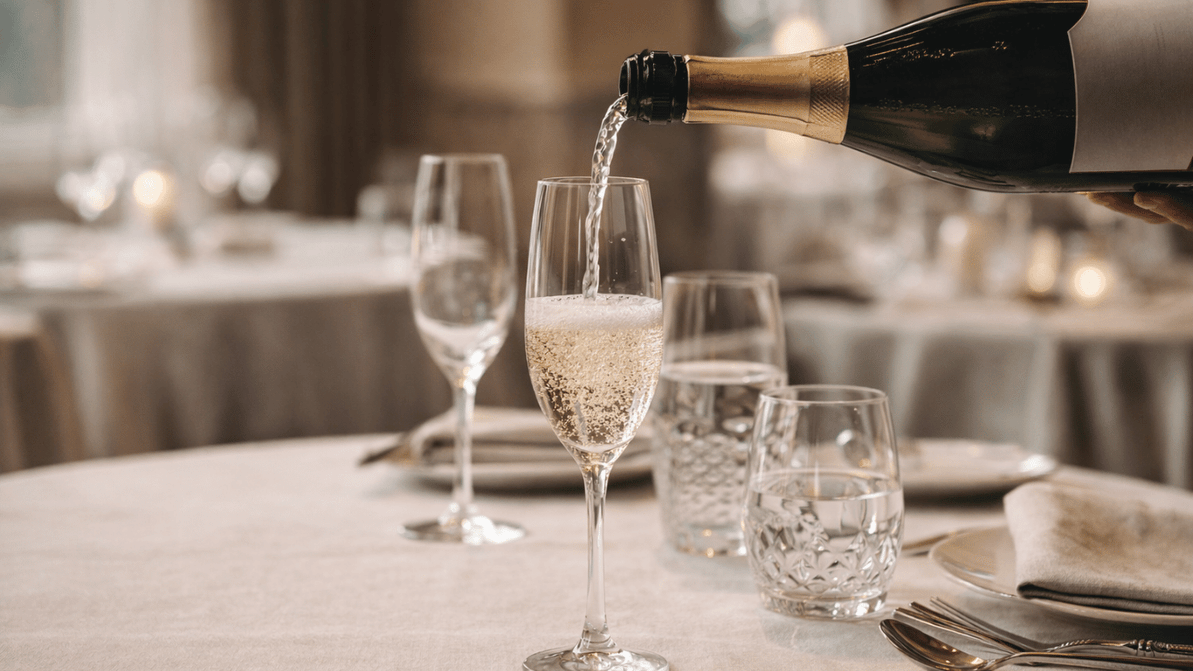
Why Zero-Proof Beverage Programs Are Becoming Essential for Modern Restaurants
The modern restaurant is undergoing a quiet but significant transformation. It is no longer defined solely by cuisine, ambiance, or even wine selection. Increasingly, it is defined by how well it understands its guests—and how effectively it adapts to changing expectations.
Across fine dining restaurants, boutique hotels, and premium hospitality venues, a clear shift is emerging. Guests are drinking less alcohol, choosing moderation, or avoiding alcohol altogether. But importantly, they are not lowering their expectations. They still want the same level of experience, ritual, and quality.
This is where zero-proof beverage programs are redefining what it means to offer a complete and modern beverage strategy.
I. Executive Summary
The global no- and low-alcohol category continues to show strong growth, with IWSR projecting steady expansion through 2028 and increased adoption across major markets (source, source).
In contrast, traditional alcohol categories are experiencing slower growth or stagnation in several regions.
- Consumers are shifting toward moderation and wellness-driven choices
- Premium non-alcoholic beverages are replacing basic alternatives
- Restaurants are leveraging zero-proof programs to increase revenue and guest satisfaction
For hospitality operators, zero-proof beverage programs are no longer optional—they are a strategic necessity.
II. Market Analysis: The Rise of the Zero-Proof Consumer
The concept of “not drinking” has evolved. It is no longer limited to abstinence—it is now part of a broader lifestyle shift.
Consumers today are:
- Alternating between alcoholic and non-alcoholic beverages
- Reducing alcohol consumption for health and performance
- Choosing drinks based on occasion rather than habit
Millennials and Gen Z are leading this trend, with growing interest in moderation and wellness (source, source).
However, high-income professionals, corporate diners, and international travelers are also contributing significantly to demand.
The key insight is this: consumption behavior is changing—but spending intent is not.
III. Hospitality Evolution: From Secondary Option to Core Experience
The hospitality industry has traditionally treated non-alcoholic beverages as an afterthought. This is no longer sustainable.
According to insights from the MICHELIN Guide, non-alcoholic pairings and zero-proof beverages are becoming a defining trend in modern fine dining.
Leading restaurants are now:
- Offering non-alcoholic tasting pairings
- Integrating zero-proof options into wine lists
- Elevating presentation and storytelling
In many venues, non-alcoholic pairings are no longer alternatives—they are parallel experiences.
IV. Strategic Importance for Modern Restaurants
For years, non-drinking guests represented low-value participation in beverage revenue.
This dynamic has shifted.
With premium zero-proof offerings, restaurants can:
- Increase average check size
- Enhance inclusivity and guest satisfaction
- Capture new market segments
This is not simply about accommodating guests—it is about expanding revenue potential.
V. Category Transformation: The Rise of Premium Zero-Proof
The non-alcoholic category has evolved through three phases:
- Basic substitutes: juice, soda
- Improved alternatives: mocktails, dealcoholized wines
- Premium experiences: crafted, complex beverages
Today’s growth is driven by the third phase.
Brands like So Jennie Paris and Copenhagen Sparkling Tea represent this shift. These are not substitutes—they are products designed to stand alongside premium wine and Champagne.
Copenhagen Sparkling Tea has been recognized by Jancis Robinson as one of the most compelling no/low-alcohol beverages available (source).
So Jennie Paris, meanwhile, has established itself in luxury hospitality environments including premium airlines and five-star hotels (source).
VI. Financial Analysis: Unlocking Incremental Revenue
Zero-proof programs offer one of the most efficient opportunities for incremental revenue growth.
Consider a simple scenario:
- 15 guests per night choose a $16 zero-proof beverage
- Daily incremental revenue: $240
- Annual impact: $80,000+ (depending on consistency)
Additionally, margins on premium non-alcoholic beverages can rival or exceed traditional alcoholic offerings.
This makes zero-proof programs not just additive—but highly profitable.
VII. Guest Demographics Driving Demand
The demand for zero-proof beverages is broad and diverse:
- Wellness-focused consumers
- Pregnant or health-conscious guests
- Corporate and business diners
- Gen Z and Millennials
What unites them is expectation. They are not looking for substitutes—they are looking for equivalent experiences.
VIII. Implementation Playbook
1. Start with Tier-1 Products
Focus on premium options such as So Jennie Paris or Copenhagen Sparkling Tea.
2. Integrate Into the Menu
Position zero-proof beverages alongside traditional offerings.
3. Train Staff
Equip teams with confident language and product knowledge.
4. Track and Optimize
Monitor sales and refine strategy based on performance.
IX. Conclusion
The rise of zero-proof beverage programs reflects a deeper transformation in hospitality.
Restaurants that embrace this shift will not only meet evolving expectations—they will lead the next phase of the industry.
In the future, the best beverage programs will not be defined by alcohol—but by the quality and inclusivity of every option offered.
Frequently Asked Questions
What is a zero-proof beverage program?
A structured selection of premium non-alcoholic beverages designed to match the quality and experience of alcoholic offerings.
Why are zero-proof beverages important?
They reflect changing consumer preferences and allow restaurants to capture new revenue streams.
Are zero-proof beverages profitable?
Yes, they often provide strong margins and increase overall guest spending.
Do guests really demand these options?
Yes, especially among younger and wellness-focused demographics.
How should restaurants start?
Begin with a small selection of premium products and integrate them into existing menus.
Further Reading & Data Sources
- IWSR – More than moderation: the long-term rise of no and low
- IWSR – Key statistics and trends for the US no-alcohol market
- MICHELIN Guide – Top food trends redefining how we wine and dine in 2025
- Jancis Robinson – Copenhagen sparkling teas
- Jancis Robinson – Low/no alcohol: wines of the week
- Zepeim – So Jennie Paris brand page
- Zepeim – Jancis Robinson names Copenhagen Sparkling Tea NoLo Drink of the Week
- BeClink – Brand spotlight: So Jennie Paris
Apply for a Wholesale Account with Zepeim
Ready to elevate your non-alcoholic beverage program with prestige offerings like So Jennie Paris and Copenhagen Sparkling Tea? Apply for a Zepeim wholesale account to unlock access to our full portfolio, expert guidance, and nationwide distribution support.
Apply For A Wholesale AccountRecent Posts
-
Why Zero-Proof Beverage Programs Are Becoming Essential for Modern Restaurants
The modern restaurant is undergoing a quiet but significant transformation. It is no longer defined …Mar 24th 2026 -

The 2026 Luxury Non-Alcoholic Beverage Report: How Premium Zero-Proof Sparkling Is Transforming Fine Dining, Guest Experience & Hospitality Revenue
The luxury beverage world is undergoing its most significant shift in decades. Guests at three-Mich …Nov 12th 2025 -
Planning for Q4: Get Ahead on Your Holiday Beverage Strategy
Holiday success is planned—not improvised. With lead times tightening and demand peaking from Thank …Oct 8th 2025