
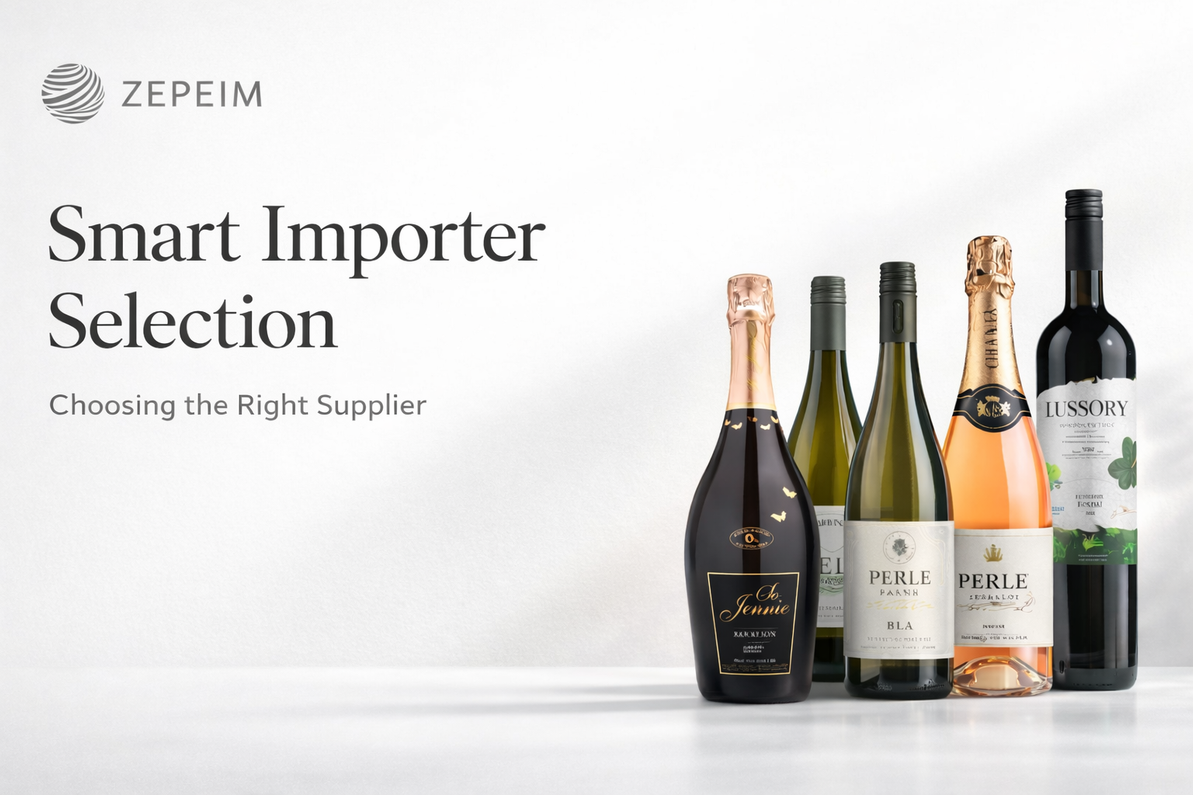
What Hospitality Buyers Look for in a Non-Alcoholic Beverage Importer
In 2026, choosing a non-alcoholic beverage supplier is no longer about sourcing products — it's about selecting a partner. As zero-proof drinks move from optional add-ons to core revenue drivers, restaurants, hotels, and hospitality groups are evaluating what makes an importer reliable, scalable, and strategic. Here's what the most discerning buyers look for.
Why importer selection became a strategic decision
The global non-alcoholic beverage market is expanding rapidly, with projections suggesting it could surpass $157 billion by 2026. At the same time, a large share of younger consumers are actively reducing alcohol consumption, and zero-proof beverages are becoming central to hospitality menus rather than a niche accommodation.
Restaurants are now expected to offer complexity, quality, and variety — not just basic alternatives. That shift forces buyers to rethink how they choose suppliers. Today they aren't just looking for products; they're looking for importers who can support long-term program growth, because at this level the wrong partner doesn't just create supply issues, it limits growth.
Portfolio depth and category coverage
The first thing hospitality buyers evaluate is simple: range. A modern beverage program is no longer built around a few SKUs — it requires a complete ecosystem:
- Sparkling alternatives for celebrations
- Wine-style beverages for pairings
- Spirits alternatives for cocktails
- Functional and wellness-focused drinks
Importers that specialize in only one segment quickly become limiting. That's why buyers increasingly prefer distributors offering diversified portfolios, with brands like Copenhagen Sparkling Tea and So Jennie Paris already integrated into fine dining and luxury hospitality. Depth is no longer optional — it's essential.
Product quality and premium positioning
Quality is no longer judged by the absence of alcohol — it's judged by experience. Buyers want products that can stand next to premium wines, be featured in tasting menus, and deliver consistent flavor and presentation pour after pour.
Premiumization is one of the strongest trends of the year. High-end products outperform generic alternatives because they let restaurants increase average order value, improve brand perception, and deliver memorable guest experiences. Importers that curate premium brands — rather than bulk products — are becoming the preferred choice.
Supply chain reliability and consistency
For hospitality buyers, reliability is often more important than price. A delayed shipment or out-of-stock product doesn't just impact operations — it disrupts the guest experience at the table.
Buyers look for importers who can offer stable inventory levels, predictable delivery timelines, and scalable logistics. This becomes even more critical as demand grows: the non-alcoholic sector is expanding at a steady rate of nearly 8% globally, and without strong infrastructure, suppliers struggle to keep up. It's why a reliable supply chain is the foundation of any beverage program that needs to stay stocked through every season.
Brand curation and market positioning
Not all brands carry equal weight. Buyers increasingly look for importers who bring recognized, high-quality brands into their portfolio — names that reduce risk and strengthen menu positioning. Examples include:
- Lyre's — cocktail-focused spirits alternatives
- Lussory — dealcoholized wines
- Kolonne Null — wine alternatives
Globally recognized brands gain traction because they offer consistency and credibility — and for a buyer, that's what makes a menu defensible.
Ability to support menu development
This is where the relationship becomes strategic. Hospitality buyers are no longer just sourcing products — they're building programs. That means they value importers who can recommend product pairings, support menu design, and provide staff training insight.
Because the reality is this: offering non-alcoholic drinks is easy. Designing a profitable, structured beverage program is not — and the importers who help with that become partners, not vendors.
Alignment with consumer trends
Perhaps the most important factor is alignment with where the market is heading. The trends shaping 2026 — sober-curious lifestyle adoption, functional and wellness beverages, and premium zero-proof experiences — all point the same direction.
Consumers now expect drinks that are complex, visually appealing, and experience-driven. A large share of younger consumers already see reducing alcohol as essential to their lifestyle. Importers who understand and adapt to these trends become long-term partners, not just suppliers.
Profitability and margin support
From a business perspective, buyers are focused on one question: will this supplier help us grow revenue? Increasingly, the answer is yes.
Non-alcoholic beverages can deliver strong margins thanks to lower regulatory costs, flexible pricing strategies, and an expanding demand base. Many operators report higher margins on zero-proof cocktails than on traditional alcoholic ones — which makes supplier selection even more consequential to the bottom line.
Build your program with the right partner
Zepeim has been a dedicated non-alcoholic importer and distributor since 2016 — a curated premium portfolio, reliable U.S. logistics, and the strategic support to build a program that actually grows. Explore our beverage programs by venue type, or apply for a wholesale account to access the full catalog.
Explore Beverage Programs → Apply for a Wholesale Account →Choosing an importer: frequently asked questions
Recent Posts
-
Hidden Gems: Zero-Proof Champagne Alternatives
A senior wedding planner at a Manhattan events firm spent a January morning reviewing the previous …Aug 1st 2026 -
Exploring the World of Non-Alcoholic Aperitifs
The beverage manager of a boutique hotel in Boston's Back Bay walked her weekend team through the …Jul 29th 2026 -
Non-Alcoholic Cocktail Programs for Bars
The head bartender of a 40-seat cocktail bar in downtown Portland kept a paper notebook behind the …Jul 26th 2026