
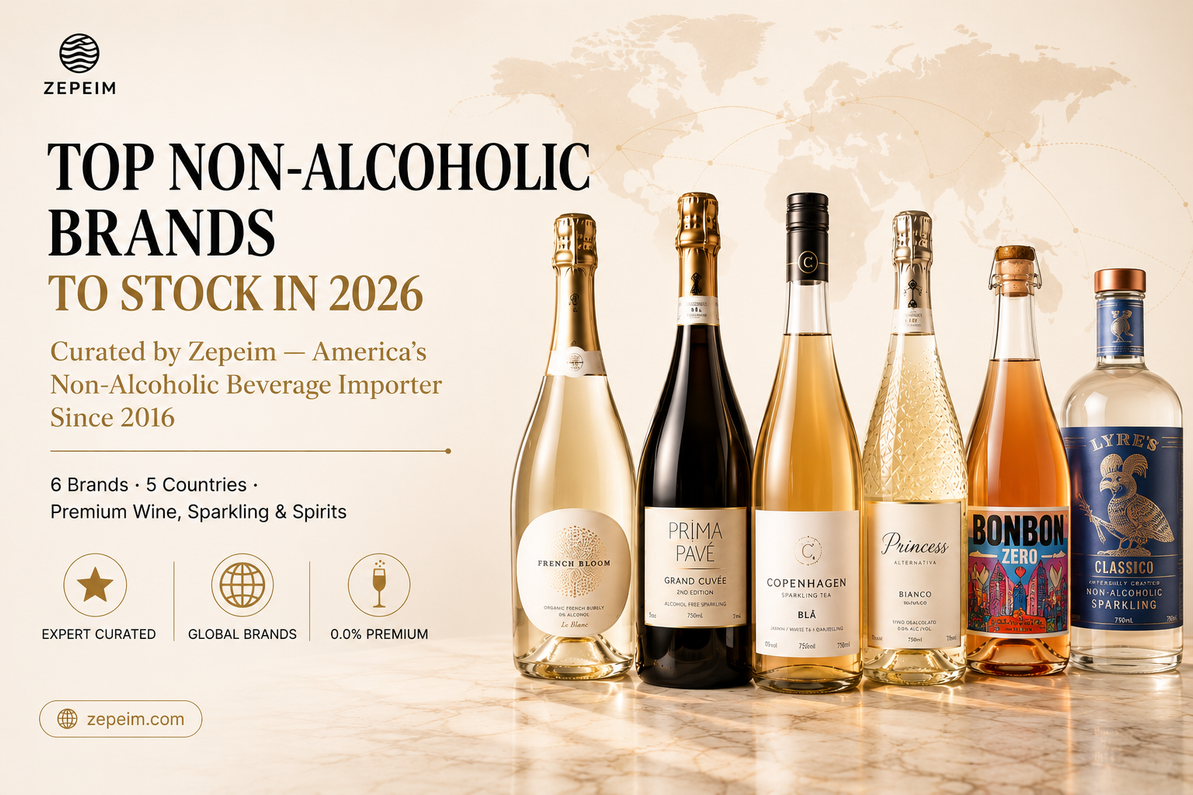
Top Non-Alcoholic Beverage Brands Businesses Should Stock in 2026
A regional hospitality group held its annual beverage planning meeting in early January 2026. On the whiteboard at the front of the room: one question, underlined twice. "Which six non-alcoholic brands do we lead with this year?" Three years ago, the same room would have written one brand on that board, almost as an afterthought. Two years ago, maybe two. This year, the conversation took ninety minutes, drew in the wine director and the head of retail, and ended with a six-brand list pinned to the wall — each chosen for a specific channel, guest base, and pricing tier. That list now sits behind the year's stocking decisions across the group's restaurants, hotels, and concept stores. The shift it represents — from "do we offer a non-alcoholic option" to "which six brands do we anchor the program around" — is the single most important change in the U.S. non-alcoholic beverage industry in 2026. The brands below are the ones doing the most of the work inside conversations like that one.
Executive Summary
The non-alcoholic beverage category in 2026 is no longer defined by single-product decisions. It is defined by program-building — choosing the right combination of brands that, together, cover sparkling, still wine, spirits, and emerging adjacent categories at the price tiers a venue actually serves. The brands that have earned a place on serious buyer lists this year are the ones that combine three things: technical credibility (real wine, real flavor science, real production discipline), supply reliability through an established U.S. importer, and brand equity that helps the bottle move at the shelf or on the menu.
This article identifies the six brands that consistently appear at the top of those buyer lists across Zepeim's U.S. partner network — a curation reflecting nearly a decade as the country's most established non-alcoholic beverage importer. Each is paired below with the buyer profile it serves best, the channel it excels in, and the price tier it occupies. A shorter list of additional strong picks closes out the article for operators building deeper or more specialized programs.
Why 2026 Is the Year to Get Stocking Right
The non-alcoholic category has been maturing for a decade. What makes 2026 different is that the maturation has hit a structural threshold — three forces have converged that together make this the year stocking decisions actually start to define a beverage program's competitive position.
First, the demand is no longer marginal. Premium urban restaurants, hotels, and lifestyle retailers now routinely see 10% to 25% of guests selecting a non-alcoholic option when one is credibly offered. That is not a side category. It is a primary revenue line that rewards intentional stocking and punishes inattention.
Second, the supply chain has caught up. The same brands now appear repeatedly on serious beverage programs across cities and countries — a sign the category has moved from artisan scarcity to reliable distribution. Through Zepeim, U.S. operators can place a single wholesale order that covers French, Italian, Danish, Australian, Korean-German, and emerging-origin brands, with fulfillment from Los Angeles inside one business day.
|
10–25%
Of Premium Guests Choosing NA
|
2016
Zepeim Founded as U.S. Importer
|
6 Brands
Featured on Buyer Lead Lists
|
Third, the cultural permission has shifted. Ordering non-alcoholic at a serious venue used to carry a small social cost. Today, the guest who orders the premium non-alcoholic option is often viewed as the more intentional choice in the room. That shift gives stocked brands a different kind of velocity than they had even two years ago.
How This List Was Built
There are easily two hundred non-alcoholic beverage brands a U.S. buyer could theoretically source today. Most should not be stocked. The six brands featured below were selected against four criteria that consistently separate brands that perform from brands that look good in a pitch deck.
1. Production credibility. Real wine that has been dealcoholized — or real flavor engineering in the case of spirits — rather than juice reformulations, artificial constructions, or substitute beverages dressed in wine packaging.
2. Supply reliability. Brands with established U.S. distribution through a serious importer, consistent SKU availability, and the ability to scale into multi-unit orders without supply disruption.
3. Channel fit. Each featured brand earns its place by performing in a specific channel — fine dining, hotel banquet service, lifestyle retail, back-bar cocktail programs — rather than trying to be everything to everyone.
4. Brand equity. Names that move bottles because guests recognize them, sommeliers respect them, or critics have written about them. Brand equity is not vanity; it is what makes the suggest-sell work at service.
The Six Brands Businesses Should Stock in 2026
Organized by category — luxury sparkling, premium wine, emerging design-led wine, and non-alcoholic spirits — these six brands together cover the four most important shelf and menu positions any serious beverage program needs to fill in 2026.
Luxury & Reserve Tier
 |
#1 · Luxury Sparkling · France · LVMH-backed
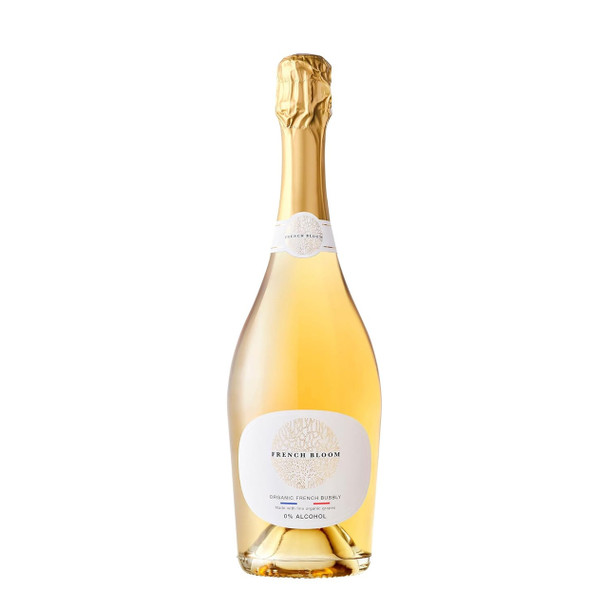
French BloomFounded in 2019 by Maggie Frerejean-Taittinger (of the Champagne house family) and former model Constance Jablonski, French Bloom is the luxury benchmark of non-alcoholic sparkling. Made in France from organic Chardonnay and Pinot Noir grapes through traditional fermentation followed by gentle dealcoholization. Backed by LVMH. The flagship Le Blanc and Le Rosé sit on Michelin wine lists alongside grower Champagnes. Stock if you operate: Fine dining, luxury hotels, wedding venues, premium retail, celebratory occasions where the bottle is the moment. View Brand → |
 |
#2 · Premium Italian · Multi-Medal-Winning
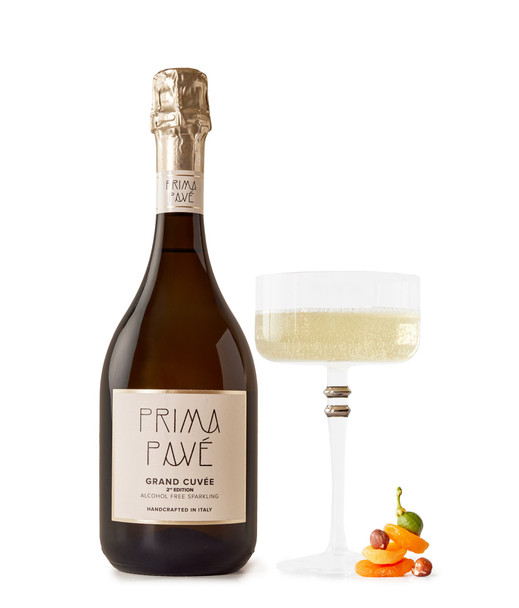
Prima PavéAn award-winning Italian collection of 0.0% non-alcoholic wines crafted in Northern Italy from sustainably farmed grapes, with no added sugar and no artificial ingredients. Range covers Blanc de Blancs, Grand Cuvée, Rosé Brut, Rosé Dolce Demi-Sec, Bianca D'Or still white, and the Fiamma still red made from rare Susumaniello. The portfolio depth alone makes Prima Pavé a category anchor. Stock if you operate: Michelin-aspirant restaurants, Italian and Italian-influenced concepts, pairing programs, premium retail, hotel restaurants. View Brand → |
 |
#3 · Michelin Favorite · 100+ Star Restaurants
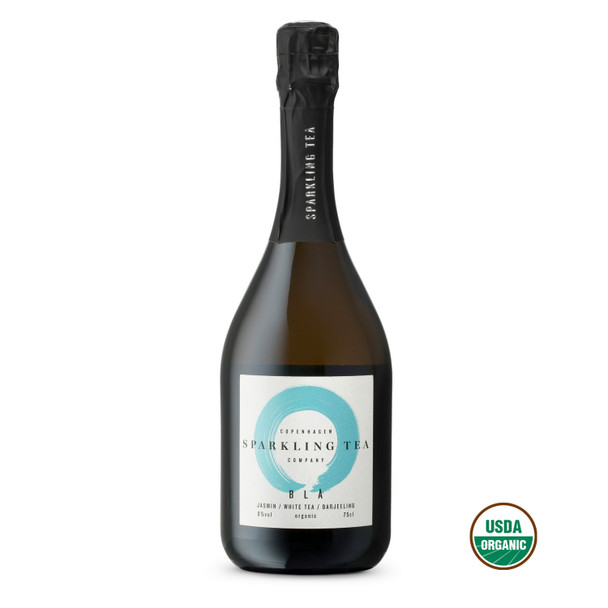
Copenhagen Sparkling TeaEstablished in 2017 in Denmark by award-winning sommelier Jacob Kocemba and partner Bo Sten Hansen, Copenhagen Sparkling Tea pioneered the sparkling-tea category. Each bottle blends up to 13 organic teas, brewed at different temperatures and time intervals. Available in 50+ countries and featured in more than 100 Michelin-starred restaurants worldwide. Three flagship expressions: BLÅ (white), LYSEGRØN (green), LYSERØD (rosé alternative). Stock if you operate: Fine dining tasting menus, sommelier-driven pairing programs, luxury hotel beverage service, specialty retail with a wine-curious customer base. View Brand → |
Core & Emerging Wine Tier
 |
#4 · Italy · Halal Certified · Est. 2012
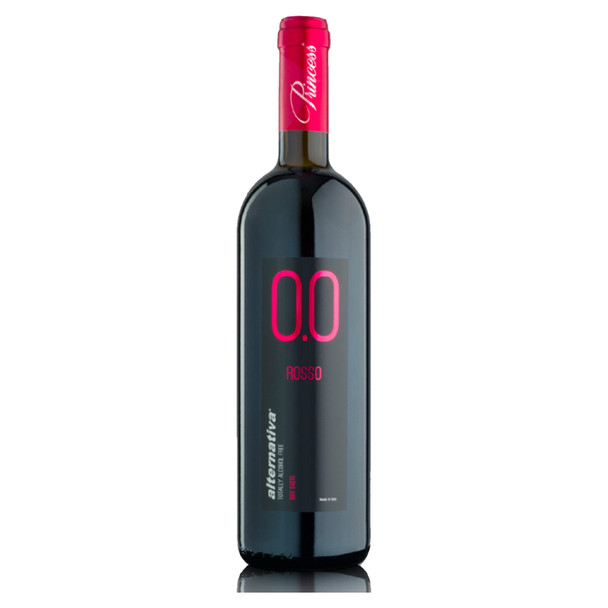
Princess AlternativaFounded in 2012 in Verona by Michele Tait, Princess Alternativa is one of the longest-established Italian non-alcoholic wine houses. Produced from fermented and dealcoholized table grapes, pasteurized rather than chemically preserved, and Halal-certified across the full range. Three core SKUs: Bianco Dry White, Rosso Dry Red, and Bollicine Bianco Extra Dry Sparkling. The Halal certification opens hospitality channels other Italian brands cannot serve. Stock if you operate: Italian-cuisine restaurants, hotels serving international clientele, Halal-observant hospitality programs, multi-faith event venues, broader core-tier wine lists. View Brand → |
 |
#5 · Emerging · Korea/Germany · Design-Led
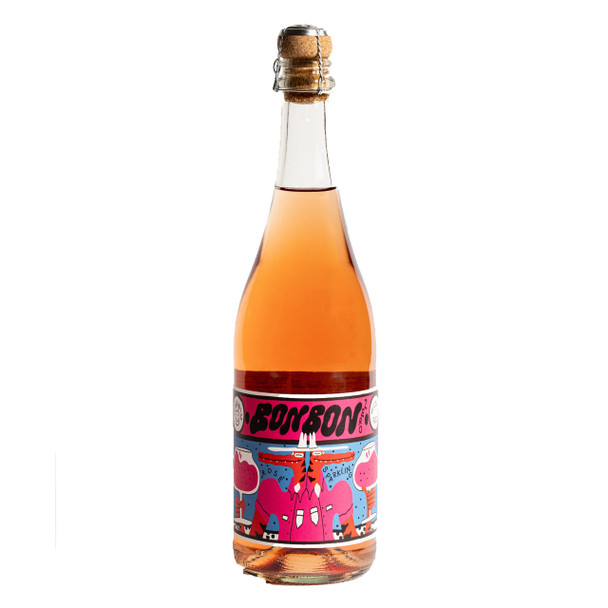
BonBon ZeroLaunched in 2025 by Winevision Tech & Design, BonBon Zero is the clearest articulation of a new design-led non-alcoholic wine category. Pairs serious German winemaking with Korean creative direction, with collectible labels designed by internationally recognized artists like Hattie Stewart and José Miguel Méndez. Five expressions covering Sparkling Rosé, Blanc de Blancs, Still Rosé, Riesling, and Merlot — all 0.5% ABV, vegan-friendly. Stock if you operate: Boutique and lifestyle hotels, design-forward concepts, chef-driven restaurants, concept stores, premium retail targeting younger design-conscious customers. View Brand → |
Non-Alcoholic Spirits & Back-Bar
 |
#6 · NA Spirits Category Leader · 60+ Countries
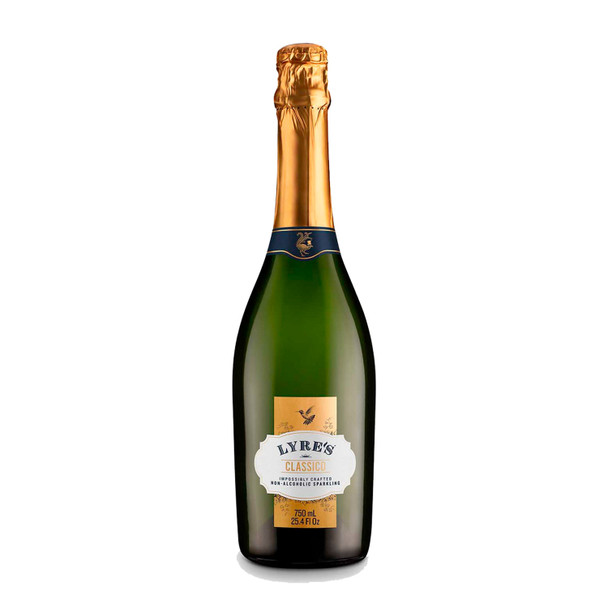
Lyre'sFounded in 2019 in Australia by Mark Livings and Carl Hartmann, Lyre's is the global category leader in non-alcoholic spirits — distributed in 60+ countries and used in top bars worldwide. The portfolio covers gin, whiskey, rum, tequila-style agave, vermouth, aperitifs, triple sec, coffee liqueur, and absinthe alternatives — engineered for 1:1 substitution in classic cocktail recipes. Also offers a strong RTD canned cocktail line (Margarita, G&T, Amalfi Spritz, Classico). Stock if you operate: Cocktail bars, hotel back-bars, restaurants offering zero-proof cocktail menus, event venues, retailers serving the sober-curious consumer. View Brand → |
Other Strong Picks Worth Knowing
The six brands above cover the highest-priority shelf and menu positions, but a fully developed program almost always extends beyond them. Several additional brands in Zepeim's curated portfolio belong on a buyer's shortlist depending on channel focus and category specialization.
Kolonne Null (Germany) — A leading European producer of high-quality non-alcoholic wines from a country quietly building category leadership outside its sparkling tradition. Strong fit for wine-focused programs prioritizing structure and varietal expression.
Lussory (Spain) — Premium Spanish non-alcoholic wines with strong hospitality adoption across both still and sparkling categories. Useful anchor for Spanish, Mediterranean, and Iberian-cuisine concepts.
Domaines Pierre Chavin (France) — A French producer with deep portfolio range covering Pierre Zéro Chardonnay Sparkling, Rosé Sparkling, and Signature variants. Good middle-tier French option below the French Bloom luxury price point.
Seedlip (UK) — The original premium non-alcoholic distilled spirit. The iconic brand in the category and a strong complementary pour to Lyre's in cocktail programs that want both 1:1 cocktail substitution and a more nuanced botanical-led pour.
Noughty (Germany/South Africa) — A respected mid-tier non-alcoholic wine brand particularly strong in still and sparkling whites, often used as a more accessible price point alongside the luxury anchors.
Three Spirit (UK) and Ghia (USA) — Adjacent category specialists in adaptogens and Mediterranean-inspired aperitifs. Worth carrying for venues whose guest base overlaps with wellness and functional-beverage interest.
How to Choose Between These Brands
A six-brand lead list is the right depth for most operators starting or rebuilding a program in 2026. Choosing among them comes down to four operator questions.
Quick Buyer Decision Framework
Building a fine-dining pairing program? Start with French Bloom + Prima Pavé + Copenhagen Sparkling Tea.
Italian restaurant or hotel? Anchor with Prima Pavé + Princess Alternativa; add French Bloom for the celebratory tier.
Boutique lifestyle hotel or concept store? Lead with BonBon Zero + French Bloom; add Lyre's for back-bar cocktails.
Multi-faith or Halal-observant hospitality? Princess Alternativa is the single most important brand on the list — its Halal certification across the full range is unusual in the category.
Cocktail bar or restaurant with a strong back-bar? Lead with Lyre's (full back-bar solution) + add Seedlip for the botanical pour; add French Bloom or BonBon Zero for the sparkling moment.
In most cases, the right answer is not a single brand — it is two to four brands from this list working together, sized to actual demand and pricing tier. The single biggest mistake we see is over-rotating on one brand and leaving the program brittle when that brand has supply turbulence or doesn't fit the specific occasion at hand.
The Revenue Logic of Stocking Multiple Brands
A common operator instinct is to start with one brand and "see what happens." In our experience across hundreds of partner programs, that approach systematically underperforms a two-to-four brand launch — even when individual SKU velocity looks similar.
The reason is straightforward. A guest who sees a single non-alcoholic option on a menu sees a courtesy add-on. A guest who sees three non-alcoholic options across sparkling, still wine, and spirits sees a beverage program. The presentation alone shifts how the option is perceived, which shifts how often it is ordered. Programs that launch with breadth typically see 30% to 60% higher attach rates in the first quarter than programs that launch with depth on a single brand.
Zepeim Wholesale Discount Structure
5% off — orders of 12+ cases (mix and match across all featured brands)
7.5% off — orders of 36+ cases
Free shipping — orders over $350 anywhere in the continental U.S.
Fast fulfillment — ships within 1 business day from Zepeim's Los Angeles warehouse, nationwide including Hawaii
Because Zepeim's volume discount applies across the curated portfolio, an operator can hit the 12-case or 36-case discount tier with sensible inventory depth across four to six brands — rather than overstocking a single SKU to chase the threshold. This is what makes multi-brand launches economically efficient rather than capital-heavy.
A Four-Phase Path to Stocking the Right Brands
Most successful 2026 programs follow a phased rollout over six to eight weeks rather than launching all six brands simultaneously. The sequence below has worked across hospitality, retail, and event-venue partners.
| Phase | Timeline | Focus |
|---|---|---|
| 1. Channel Audit | Week 1 | Identify your venue's primary channels (fine dining, hotel, retail, events, cocktails) and use the Section VI framework to identify the two-to-four brands that fit best. |
| 2. Tasting Order | Weeks 2–3 | Place a tasting order through Zepeim covering one anchor SKU from each candidate brand. Conduct internal team tasting against the venue's existing alcoholic offerings. |
| 3. Launch Order | Weeks 4–5 | Order at scale — sized to hit the 12-case Zepeim discount tier across the chosen brands. Position the SKUs on menus and shelves with intentional placement, not buried. |
| 4. Measure & Expand | Weeks 6–8+ | Track attach rate, by-SKU velocity, and check-average impact. Use early results to inform reorder mix, expansion into honorable-mention brands, and case-tier upgrade to the 36-case 7.5% discount. |
Build the Program, Not the Single Order
The most accurate read on the 2026 non-alcoholic beverage opportunity is also the most actionable: this is the year stocking decisions start to compound. Operators who choose well now build programs that get better with each quarter — better attach rates, better staff confidence, better guest reputation. Operators who delay these decisions or who hedge with a single token brand will be working from behind a year from now.
The six brands above — French Bloom, Prima Pavé, Copenhagen Sparkling Tea, Princess Alternativa, BonBon Zero, and Lyre's — are the ones the strongest programs in the country are stocking today. Through Zepeim, the U.S.'s most established non-alcoholic beverage importer since 2016, all six are available for wholesale through a single order, with the curatorial support, sommelier consultation, and fulfillment infrastructure that turn a stocking list into a working program.
Stock the 2026 Lead Brands Through Zepeim
Apply for a Zepeim wholesale account to access the full curated portfolio — French Bloom, Prima Pavé, Copenhagen Sparkling Tea, Princess Alternativa, BonBon Zero, Lyre's, and the broader European, Australian, and emerging-origin catalog. Mix-and-match volume discounts. Ships within one business day from Los Angeles. Nationwide delivery including Hawaii.
Apply for a Wholesale Account →Frequently Asked Questions
Recent Posts
-
Hidden Gems: Zero-Proof Champagne Alternatives
A senior wedding planner at a Manhattan events firm spent a January morning reviewing the previous …Aug 1st 2026 -
Exploring the World of Non-Alcoholic Aperitifs
The beverage manager of a boutique hotel in Boston's Back Bay walked her weekend team through the …Jul 29th 2026 -
Non-Alcoholic Cocktail Programs for Bars
The head bartender of a 40-seat cocktail bar in downtown Portland kept a paper notebook behind the …Jul 26th 2026